EYEPLUS EYE CLINIC LASIK VS LASEKEYEPLUS EYE CLINIC LASIK VS LASEKEYEPLUS EYE CLINIC LASIK VS LASEKEYEPLUS EYE CLINIC LASIK VS LASEKEYEPLUS EYE CLINIC LASIK VS LASEK
LASIK vs LASEK
: What’s the Difference and Which Is Right for You?
Many patients feel unsure when choosing between LASIK vs LASEK.
Both are effective laser eye surgery options, but they differ in technique, recovery, and
suitability.
The difference between LASIK and LASEK depends on several factors, including corneal thickness, lifestyle,
pain tolerance, and overall eye condition.
Because of this, there is no single answer to “LASIK or LASEK better.”
Each procedure has its own advantages and limitations.
A thorough eye examination is essential to determine the most appropriate treatment for your eyes.
Quick Summary
LASIK vs LASEK Comparison
Category
LASIK
LASEK
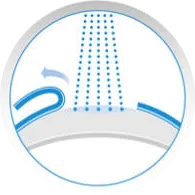
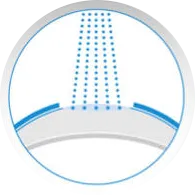
Description Image
Procedure Method
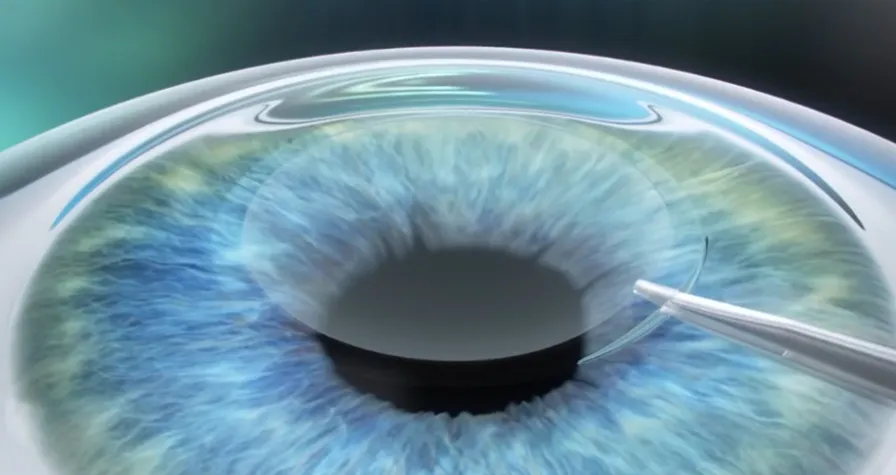
Creation of a corneal flap followed by laser correction
Removal of the corneal epithelium followed by laser correction
Important Note:
LASIK and LASEK use different techniques, and neither is universally better.
The most suitable option depends on your eye condition and lifestyle, which should be determined
through a comprehensive examination with a specialist.
LASIK: Fast Recovery and Comfort, But Understanding the Flap Matters
LASIK eye surgery is one of the most widely performed forms of laser vision correction.
It is known for its fast recovery, minimal discomfort, and quick return to daily activities.
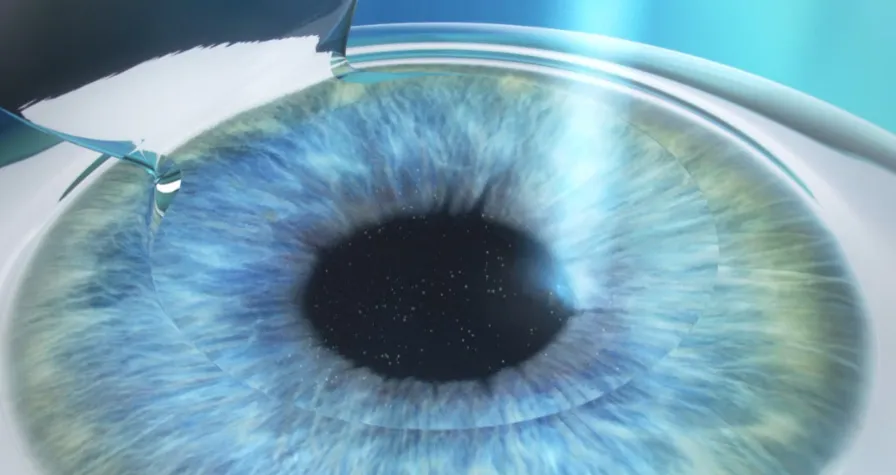
In laser eye surgery LASIK, a thin corneal flap is created before reshaping the cornea with a laser.
This allows the treatment to be performed beneath the surface, reducing irritation to the outer layer of
the eye.
Most patients experience little to no pain, and vision often improves within a day.
Because of this, LASIK recovery time is significantly shorter compared to other procedures.
However, the presence of a flap also requires consideration.
Patients should avoid strong eye rubbing or direct impact, and suitability must be carefully evaluated
based on individual eye conditions.
The Corneal Flap: Advantages and Limitations of LASIK
Understanding how LASIK works begins with the creation of the corneal flap.
This thin layer is gently lifted, allowing precise laser correction underneath.
The flap acts like a natural bandage after surgery.
This is why LASIK pain is minimal and recovery is typically fast.
However, because the flap remains in place, it can be sensitive to strong pressure or trauma.
For this reason, LASIK safety depends not only on surgical precision but also on the patient’s lifestyle
and eye condition.
Patients who engage in high-impact activities or have specific corneal characteristics may require
alternative options.
A detailed examination is essential to determine if LASIK is the right choice.
What Makes LASIK at EYE Plus Eye Clinic Different?
At EYE Plus Eye Clinic, LASIK is performed based on careful evaluation and long-term clinical
experience.
Each patient undergoes a detailed pre-surgery examination to assess corneal condition, vision stability,
and suitability.
Experienced ophthalmologists plan each procedure individually.
This ensures that the treatment is not only effective but also aligned with the patient’s eye structure
and lifestyle.
The clinic uses advanced laser systems to improve precision and consistency during surgery.
This approach supports stable visual outcomes and minimizes unnecessary risk.
Rather than recommending a single procedure for all patients, EYE Plus focuses on selecting the most
appropriate method.
This commitment to personalized care is essential for safe and reliable results in LASIK eye surgery
Korea.
The expertise gained from over 25 years of experience and attention to detail are key factors in
improving both visual outcomes and surgical stability.
If you are unsure whether LASIK is right for your eyes or if another vision correction procedure may be
more suitable, please use the options below to request a consultation or make a reservation.
Online Consultation / Book an Appointment
LASEK: All-Laser Precision with Strong Corneal Stability
LASEK eye surgery is a type of laser vision correction that does not create a corneal flap.
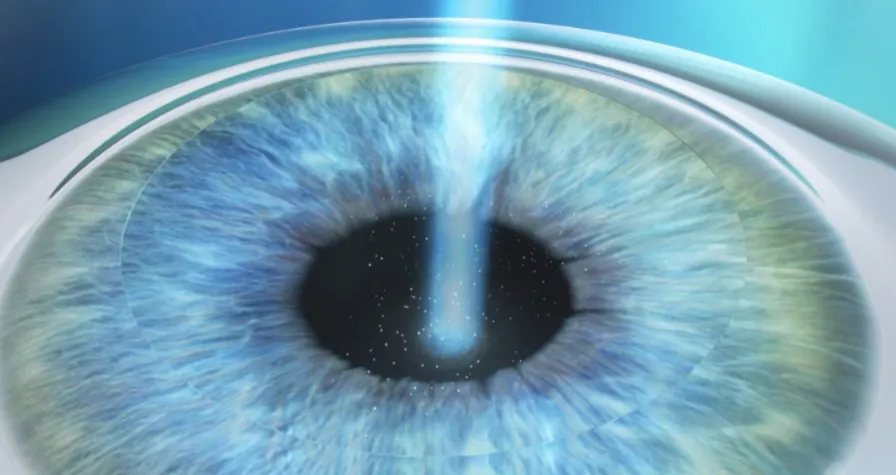
Instead, the outer epithelial layer is gently removed before reshaping the cornea with a laser.
Because there is no flap, LASEK offers greater structural stability.
This makes it a suitable option for patients with thin corneas or those with a higher risk of eye
impact.
Compared to LASIK vs LASEK, LASEK typically involves a longer recovery period.
However, it can be a safer and more stable choice depending on the patient’s eye condition and
lifestyle.
Modern techniques have also improved the precision of lasek eye surgery, reducing variability and
enhancing safety.
What Is All-Laser LASEK?
All-laser LASEK refers to a technique that uses only laser technology throughout the procedure.
Unlike older methods, it does not rely on alcohol or mechanical tools to remove the epithelial
layer.
This approach allows for more precise and uniform epithelial removal.
It also helps maintain a smoother corneal surface during healing.
By minimizing physical contact, lasek laser surgery can reduce the risk of infection and improve overall
safety.
These advancements have made advanced LASEK a more refined and reliable option in modern vision
correction.
Pain and Recovery After LASEK: What to Expect
It is important to understand that LASEK recovery time is longer than LASIK.
Most patients experience discomfort for a few days as the corneal surface heals.
This level of LASEK pain is a natural part of the healing process and can vary from person to person.
Symptoms such as light sensitivity or a stinging sensation are common in the early recovery
phase.
At EYE Plus Eye Clinic, advanced techniques and cooling systems are used to improve comfort.
These methods help reduce irritation and support a smoother healing process.
While recovery takes more time, the long-term stability of LASEK can make it a preferred option for
certain patients.
What If Neither LASIK nor LASEK Is the Best Option?
While LASIK vs LASEK are the most well-known vision correction procedures, they are not suitable
for every patient.
Factors such as corneal thickness, refractive error, and overall eye condition can limit their
applicability.
Each procedure also has its own limitations.
LASIK involves a corneal flap, and LASEK requires a longer recovery period with temporary
discomfort.
For this reason, modern vision correction considers a wider range of options.
Procedures such as SMILE Pro eye surgery and lens implant surgery can offer safer and more
suitable alternatives for certain patients.
At EYE Plus Eye Clinic, the goal is not to recommend a single procedure for all.
Instead, a detailed examination is used to identify the most appropriate solution based on each
patient’s eyes.
SMILE Pro: A Minimally Invasive Alternative to LASIK and LASEK
SMILE Pro eye surgery is a next-generation laser vision correction
technique.
It uses a small incision (approximately 2 mm) without creating a corneal flap.
This approach helps preserve corneal structure and improves stability after surgery.
It also reduces disruption to corneal nerves, which may help minimize dry eye symptoms.
Compared to SMILE Pro vs LASIK,SMILE Pro offers a less invasive option with fast recovery and
minimal discomfort.
It is particularly suitable for patients with active lifestyles or those concerned about
flap-related risks.
As part of modern vision correction options, SMILE Pro is increasingly considered a balanced
alternative between LASIK and LASEK.
Lens Implant Surgery (ICL): An Option for Patients with Thin Corneas or High
Myopia
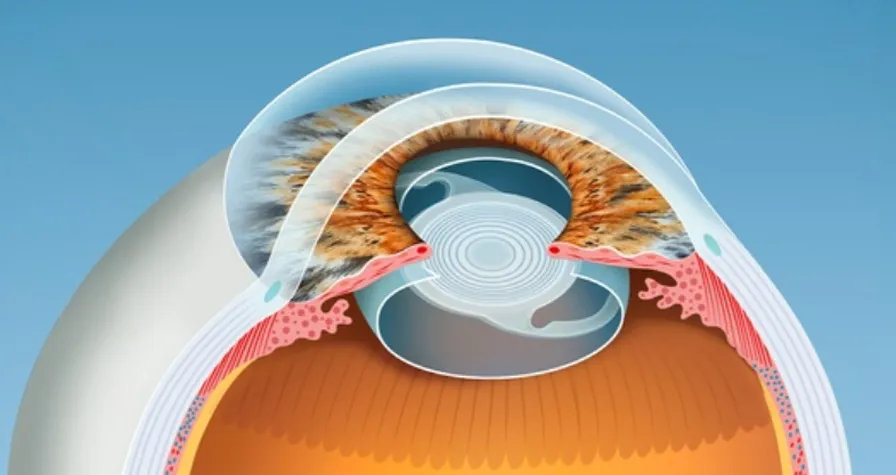
Lens implant surgery, also known as Implantable Collamer Lens
(ICL), is a non-laser vision correction option.
Instead of reshaping the cornea, a biocompatible lens is placed inside the eye to correct
vision.
This method does not remove corneal tissue.
As a result, it is suitable for patients with thin corneas, high myopia, or conditions that make laser
surgery less safe.
Compared to ICL vs LASIK, ICL provides stable and predictable outcomes for patients who are not
ideal candidates for laser procedures.
It is also less likely to induce dry eye symptoms.
For patients seeking alternatives to LASIK vs LASEK, ICL can be an effective and reliable
solution.
LASIK and LASEK are the most common vision correction procedures, but they are not the best solution for
every eye. Limitations may arise depending on corneal thickness, refractive error, recovery tolerance,
and individual conditions.
As a result, procedures such as SMILE Pro, which complements the limitations of LASIK and LASEK, and
Implantable Collamer Lens (ICL) for non-laser candidates are increasingly considered.
EYE Plus Eye Clinic does not recommend a single procedure for all patients. A detailed examination is
performed to guide patients toward the most suitable vision correction option.
Category
LASIK
LASEK
SMILE Pro
ICL
Procedure Method
Corneal flap creation (approx. 20 mm incision)
Removal of corneal epithelium (laser)
Small incision (approx. 2 mm)
No corneal removal, lens implantation
Pain Level
Minimal (slight discomfort on surgery day)
2–3 days of discomfort
Minimal
Minimal
Recovery Speed
Fast (next-day recovery)
Protective lens ~5 daysFull
Full stabilization: 1–2 months
Why Choose EYE Plus Eye Clinic for Vision Correction Surgery?
EYE Plus Eye Clinic is a trusted vision correction clinic in Korea, offering LASIK, LASEK, SMILE Pro,
and Implantable Collamer Lens (ICL) procedures.
The clinic focuses on accurate diagnosis, personalized treatment planning, and stable long-term
outcomes.
Over 25 Years of Experience in Refractive Eye Surgery
With over 25 years of clinical experience, the medical team has performed a wide range of
refractive procedures.
This experience supports consistent surgical quality and reliable results.
Thorough Pre-Surgery Examinations and Customized Planning
Each patient undergoes a detailed eye examination before surgery.
Treatment plans are tailored based on corneal condition, vision needs, and lifestyle.
Focus on Safety, Precision, and Stable Outcomes
All procedures are performed with an emphasis on safety and precision.
The clinic prioritizes long-term visual stability rather than short-term results.
Competitive Cost with High-Quality Care
Compared to many Western countries, laser eye surgery in Korea offers high-quality care at a
more accessible cost.
Patients can receive advanced treatment without compromising safety.
Experience with International Patients
EYE Plus Eye Clinic has experience treating international patients who travel to Korea for
vision correction.
The clinic understands the needs of overseas patients and provides a structured care
process.
English Consultation and Patient Support
English consultation is available for international patients.
The clinic also provides support throughout the consultation, surgery, and recovery process.
LASIK outcomes can vary even with small differences, which is why choosing a clinic with proven
experience and a well-established system is essential.
At EYE Plus Eye Clinic, every step—from pre-surgery evaluation to the procedure and recovery—is managed
through a structured and comprehensive system.
If you would like to learn more about your eye condition, you can receive personalized guidance through
a consultation.
Frequently Asked Questions for Expats and Travelers (FAQs)
LASEK is a type of laser eye surgery that corrects vision by reshaping the cornea using
an excimer laser.
Unlike LASIK, it does not involve creating a corneal flap, which helps preserve more
corneal tissue and provides greater long-term stability.
Initial discomfort may last for 3 to 5 days, and most daily activities can typically be
resumed within 1 to 2 weeks.
However, full visual stabilization may take several weeks depending on individual
healing conditions.
Patients may experience temporary discomfort or a stinging sensation during the early
recovery period.
However, this is usually manageable with prescribed medication and improves as the eyes
heal.
Yes, LASEK can be a suitable option for patients with high myopia, especially when
preserving corneal thickness is important.
A detailed eye examination is required to determine eligibility.
LASEK provides long-term vision correction.
As long as your vision remains stable, the results can last for many years, although
natural age-related changes such as presbyopia may still occur over time.
LASEK and LASIK have different advantages.
LASEK is often recommended for patients with thin corneas or active lifestyles, while
LASIK is preferred for faster recovery and minimal discomfort.
The most suitable option depends on individual eye conditions.
The cost of LASEK in Korea is generally more affordable compared to many Western
countries.
Prices may vary depending on the clinic, technology used, and individual treatment plan,
so a consultation is recommended for accurate pricing.
Yes, many eye clinics in Korea, including EYE Plus Eye Clinic, have extensive experience
treating international patients.
With advanced technology, experienced surgeons, and structured care systems, LASEK can
be performed safely for overseas patients.
Consultation Request
Please leave your questions for EYEPLUS,
and our staff will contact you after reviewing them.



Important Note:
LASIK and LASEK use different techniques, and neither is universally better. The most suitable option depends on your eye condition and lifestyle, which should be determined through a comprehensive examination with a specialist.