Safe Vision Correction for Thin Corneas and Long-Term Stability
LASEK eye surgery is a safe and effective laser vision correction procedure designed for patients with thin corneas, high myopia, or active lifestyles.
Unlike LASIK, LASEK laser eye surgery is a flapless technique that preserves more corneal tissue, helping maintain long-term structural stability.
Because it does not involve creating a corneal flap, LASEK may be a suitable option for patients who are not ideal candidates for LASIK.
Although recovery may take longer, LASEK offers reliable and stable vision correction outcomes when performed with advanced technology and precise surgical planning.
What Is LASEK?
Definition
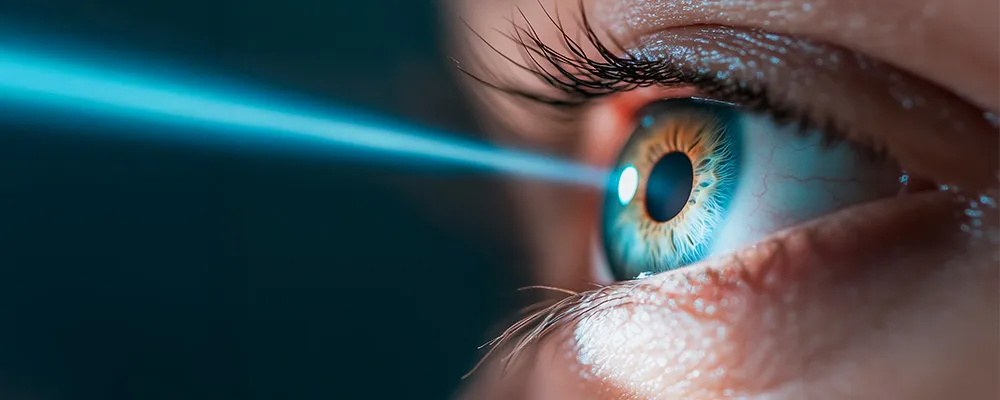
LASEK (Laser-Assisted Sub-Epithelial Keratectomy) is a type of refractive surgery that improves vision by reshaping the cornea using an excimer laser.
The procedure involves gently removing the outermost layer of the cornea (epithelium) and correcting the underlying corneal tissue to restore clear vision.
How the Procedure Works
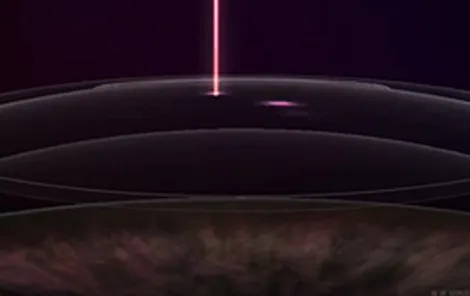
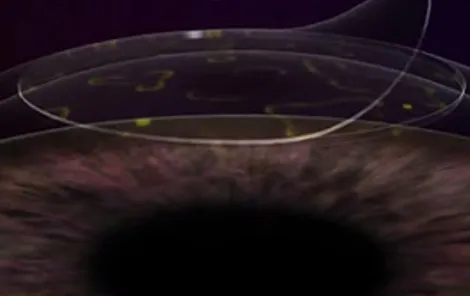
Unlike LASIK, LASEK eye surgery does not create a corneal flap. Instead, only the corneal epithelium is removed, and the laser is used to precisely reshape the cornea.
This flapless approach helps preserve corneal stability and reduces the risk of flap-related complications caused by external impact.
With advanced laser systems and precise surgical planning, LASEK aims to minimize unnecessary tissue damage while achieving accurate and predictable visual outcomes.
Who Is a Good Candidate?
LASEK is often recommended for patients with thin corneas where flap creation may be difficult or risky.
It is also suitable for correcting refractive errors such as myopia, astigmatism, and hyperopia.
This procedure may be particularly beneficial for individuals with active lifestyles or those who require stronger long-term corneal stability.
However, suitability may vary depending on corneal condition, refractive error, and overall eye health, so a comprehensive eye examination is necessary before surgery.
Core Benefits of LASEK
LASEK eye surgery is widely recognized as a structurally stable and reliable vision correction method.
As a flapless laser eye surgery, it preserves more of the natural corneal structure, making it a strong option for patients who prioritize long-term safety and stability.
Structurally Stable Without a Corneal Flap
One of the key LASEK benefits is that it does not require the creation of a corneal flap.
This means there is minimal structural alteration to the cornea, allowing it to maintain its natural strength over time.
As a result, patients can expect greater long-term stability compared to flap-based procedures.
Suitable for Active Lifestyles and External Impact Risk
Because LASEK does not involve a corneal flap, there is no risk of flap displacement caused by external impact.
This makes LASEK laser eye surgery particularly suitable for individuals with active lifestyles, including athletes, military personnel, or those working in physically demanding environments.
Preserves More Corneal Tissue for Future Flexibility
LASEK preserves more corneal tissue compared to LASIK, which can be an important advantage for long-term eye health.
This increased tissue preservation may provide greater flexibility for potential future vision correction enhancements if needed.
Effective for Thin Corneas and High Myopia
LASEK is often recommended for patients with thin corneas, where creating a flap may not be safe.
It is also a suitable option for patients with high myopia, as it allows vision correction without compromising corneal integrity.
Designed to Minimize Night Vision Disturbances
With advanced pre-surgery diagnostics and customized laser planning, LASEK can help reduce visual disturbances such as glare or halos at night.
By considering individual pupil size and higher-order aberrations, the procedure is optimized to enhance overall visual quality, especially in low-light conditions.
Who Is a Good Candidate for LASEK?
LASEK is an excellent option for patients who prioritize long-term stability over rapid recovery.
While recovery may take slightly longer compared to LASIK, its flapless structure makes it a safer and more stable solution for certain eye conditions and lifestyles.
Patients with Thin or Irregular Corneas
LASEK is often recommended for patients with thin corneas or irregular corneal shapes, where creating a flap may not be suitable.
Because LASEK does not require a corneal flap, it reduces structural stress on the cornea while still allowing effective vision correction.
Individuals with Active Lifestyles or High Impact Risk
For those engaged in physically demanding activities—such as athletes, military personnel, police officers, or firefighters—LASEK can be a safer choice.
Since there is no corneal flap, there is no risk of flap displacement due to external impact.
Individuals with Active Lifestyles or High Impact Risk
For those engaged in physically demanding activities—such as athletes, military personnel, police officers, or firefighters—LASEK can be a safer choice.
Since there is no corneal flap, there is no risk of flap displacement due to external impact.
Those Who Prioritize Long-Term Stability Over Fast Recovery
Patients who value long-term vision stability and corneal preservation over immediate recovery speed may benefit from LASEK.
Its tissue-preserving approach helps maintain consistent vision outcomes over time.
* Keratoconus: A progressive condition in which the cornea becomes thinner and bulges outward into a cone-like shape, leading to decreased vision.
* Eligibility for LASEK may vary depending on individual factors such as corneal thickness and overall eye condition.
A detailed eye examination is required to determine whether the procedure is suitable.
* For a more accurate diagnosis, a comprehensive examination by an eye specialist is recommended.
You may conveniently proceed with an online consultation or reservation through the buttons below.
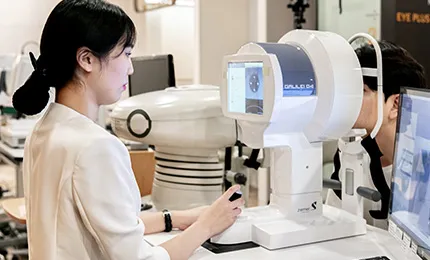
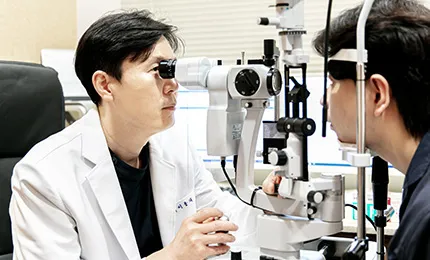
Before LASEK eye surgery, a comprehensive pre-surgery screening is essential to evaluate each patient’s eye condition and determine the safest and most effective treatment plan.
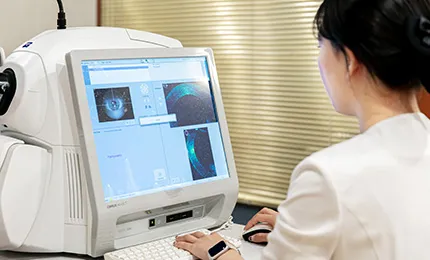
At EYE Plus Eye Clinic, advanced diagnostic equipment and detailed eye examinations are used to analyze corneal structure, measure corneal thickness, and assess overall eye health. This thorough evaluation helps ensure both surgical safety and optimal visual outcomes.
Corneal Topography Analysis
Corneal topography is used to analyze the curvature and symmetry of the cornea.
This test helps detect irregularities such as keratoconus and evaluates whether the cornea is structurally suitable for LASEK.
Corneal Thickness Measurement
Accurate measurement of corneal thickness is critical in LASEK planning.
This test evaluates the total corneal thickness and the amount of tissue available, helping determine whether the procedure can be safely performed.
Higher-Order Aberration Analysis
This analysis evaluates subtle visual distortions that may cause glare, halos, or reduced night vision quality.
By identifying these factors, the surgical plan can be customized to improve overall visual clarity.
Pupil Size Measurement
Measuring pupil size, especially under low-light conditions, helps predict the risk of night vision disturbances after surgery.
This information is used to optimize laser treatment planning.
Intraocular Pressure (IOP) Measurement
Intraocular pressure is measured to assess eye health and screen for conditions such as glaucoma.
Maintaining proper eye pressure is an important factor in ensuring safe vision correction surgery.
Comprehensive Eye Health Examination
A detailed examination of the retina and optic nerve is performed to identify any underlying eye conditions that may affect vision or surgical outcomes.
This step ensures that LASEK is both safe and appropriate for the patient.
The Step-by-Step LASEK Procedure
At EYE Plus Eye Clinic, advanced LASEK technology is designed to enhance both surgical precision and patient comfort.
By minimizing unnecessary physical stimulation and optimizing laser-based techniques, the procedure focuses on reducing tissue damage and improving recovery outcomes.
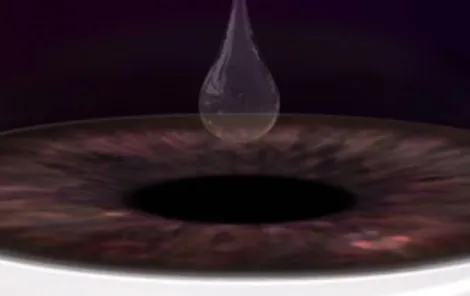
Step 1. Topical Anesthesia (Eye Drops)
The procedure begins with the application of anesthetic eye drops to numb the eye.
This allows the surgery to be performed comfortably without significant pain.
Step 2. Removal of the Corneal Epithelium
The thin outer layer of the cornea (epithelium) is gently removed to prepare the eye for laser treatment.
This step enables precise access to the corneal tissue for vision correction.
Step 3. Excimer Laser Vision Correction
An excimer laser is used to precisely reshape the corneal tissue based on the patient’s refractive error.
This step corrects conditions such as myopia and astigmatism, improving overall visual clarity.
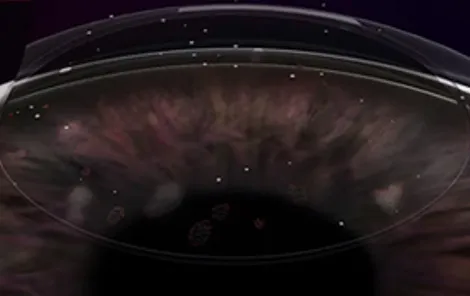
Step 4. Protective Lens Placement and Healing
A therapeutic contact lens is placed over the cornea to protect the eye and support natural epithelial healing.
This lens helps reduce discomfort and promotes a smooth recovery process.
Core LASEK Technologies at EYE Plus Eye Clinic: Precision and Safety
At EYE Plus Eye Clinic, advanced LASEK technology is designed to enhance both surgical precision and patient comfort.
By minimizing unnecessary physical stimulation and optimizing laser-based techniques, the procedure focuses on reducing tissue damage and improving recovery outcomes.
FROST Cooling System for Reduced Discomfort
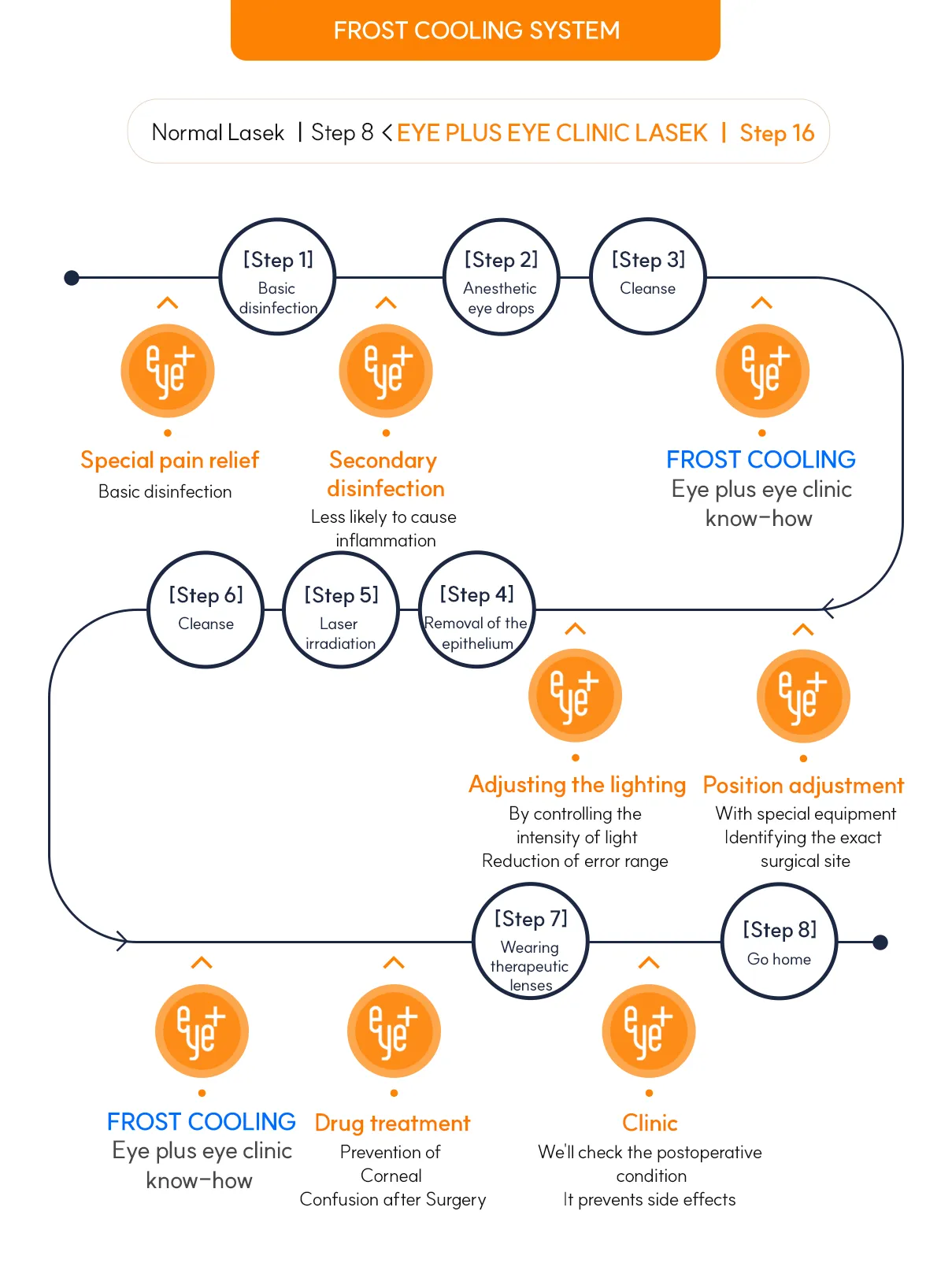
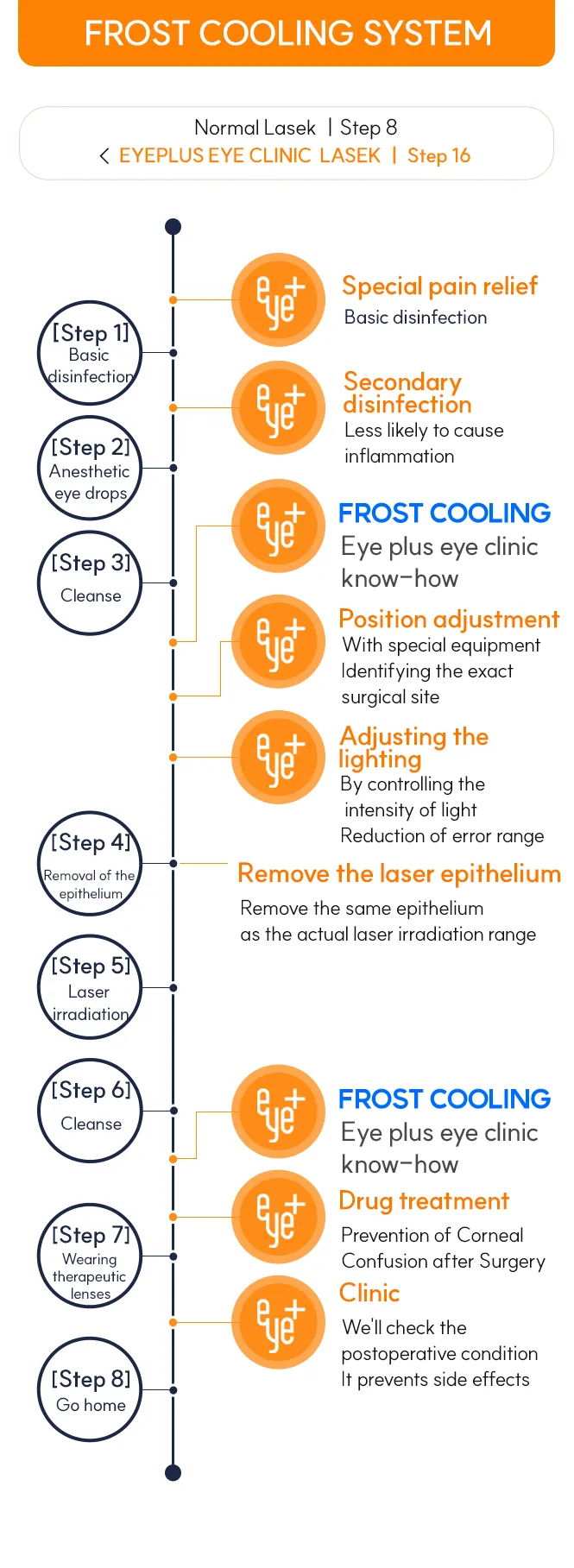
EYE Plus Eye Clinic utilizes the FROST COOLING SYSTEM to reduce thermal damage caused by laser energy during LASEK surgery.
Unlike conventional methods that may rely on chemical or mechanical techniques, this system uses controlled cooling before and after laser treatment to stabilize the corneal surface.
By minimizing heat-related tissue damage, the FROST Cooling System helps reduce inflammation and discomfort during and after the procedure, contributing to a more comfortable recovery experience.
Pre-Operative Precautions
Stop wearing contact lenses: Soft lenses should be discontinued at least 1 week before examination, and hard (RGP) lenses at least 2 weeks prior to ensure accurate test results.
Avoid eye makeup and heavy skincare: Residue from cosmetics, oils, or fine particles may affect the examination and surgical environment.
Get sufficient rest and avoid alcohol: Maintaining a stable physical condition helps ensure accurate examination and safer surgery.
Follow personalized medical guidance: A customized surgical plan will be provided based on detailed diagnostic results.
Individual guidance will be provided based on examination results to ensure an accurate and personalized surgical plan.
Post-Operative Precautions
(D+3) Face washing and showering: Avoid direct water contact with the eyes during the early recovery period.
(D+3) Digital device use: Prolonged use of smartphones or computers may cause eye strain and dryness. Limit usage time as needed.
(D+7) Exercise and physical activity: Light exercise may be possible, but avoid intense workouts or activities with a risk of impact.
(D+14) Makeup and eye cosmetics: Eye makeup should be avoided for at least 2 weeks after surgery.
(D+14) Alcohol and smoking: These may delay recovery and should be limited during the healing period.
(D+90) Outdoor activities and UV protection: For approximately 3 months after surgery, wearing sunglasses and a hat is recommended to protect the eyes from UV exposure.
(As needed) Artificial tears: Using artificial tears can help relieve dryness and support stable vision recovery.
LASEK vs LASIK: Which Vision Correction Is Right for You?
LASEK and LASIK are both effective laser eye surgery options, but they differ in surgical method, recovery time, and suitability depending on the patient’s eye condition and lifestyle.
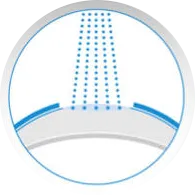
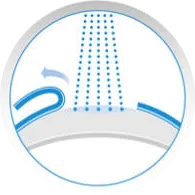
LASEK is a flapless procedure that preserves more corneal tissue, while LASIK involves creating a corneal flap for faster visual recovery.
Feature
LASEK
LASIK
Illustration
Surgical Method
Surface ablation (no flap)
Corneal flap creation
Recovery Time
3–5 days discomfort
1–2 weeks daily recovery
Fast (1–2 days)
Pain Level
Moderate (temporary)
Minimal
Protection
Protective contact lens required
Flap repositioned
Best For
Thin corneas, high myopia, active lifestyle
Fast recovery, convenience
*Each procedure has different methods and characteristics, so it is difficult to say that one is always better than the other.
The most suitable option varies depending on your corneal condition, vision prescription, and lifestyle. Therefore, it is recommended to choose the safest method through a comprehensive examination and consultation with a specialist.
* If you are wondering whether
LASIKis right for you, you can find more detailed information on the EYE Plus LASIK page.
Advanced LASEK Technology at EYE Plus Eye Clinic
At EYE Plus Eye Clinic, advanced LASEK laser technology is used to enhance surgical precision, safety, and patient comfort.
Modern excimer laser systems are carefully selected to deliver accurate corneal reshaping while minimizing tissue damage and supporting stable long-term vision outcomes.
EYE Plus LASEK Equipment
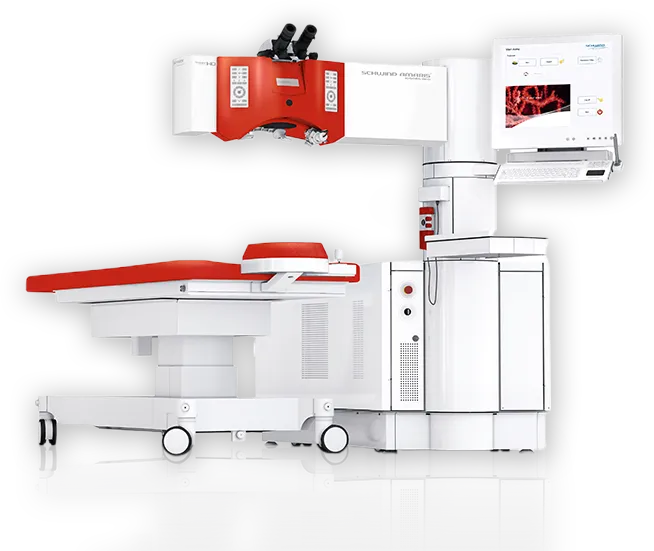
Amaris Red 1050SPT
The Amaris Red is an excimer laser system used in both LASEK and LASIK procedures.
It is designed with fast laser scanning speed and a precise control system.
The shorter laser treatment time helps reduce the impact of eye movement during surgery, allowing for a more stable procedure and providing an environment that is advantageous for preserving corneal tissue.
In addition, it enables the application of customized laser patterns tailored to each patient’s eye condition, supporting surgical planning that considers stable visual recovery after the procedure.
Why Choose EYE Plus Eye Clinic for Your LASEK Surgery?
EYE Plus Eye Clinic is a trusted vision correction clinic in Korea, providing advanced LASEK surgery with a strong focus on safety, precision, and long-term stability.
The clinic offers a comprehensive system that includes detailed pre-surgery diagnostics, a safety-focused surgical process, and structured post-operative care. Each treatment plan is customized based on the patient’s eye condition to ensure accurate and reliable results.
Advanced equipment such as the Amaris Red excimer laser is used to perform precise corneal correction while minimizing unnecessary tissue damage. This supports both surgical accuracy and stable visual outcomes.
In addition, the clinic provides continuous follow-up care to monitor recovery and help maintain long-term vision stability.
With the experience of Harvard-trained ophthalmologists and a system designed for both local and international patients, EYE Plus Eye Clinic delivers high-quality LASEK surgery at a reasonable cost, along with convenient consultation and scheduling support.
1. Pre-Surgery Precision Examination System for Stable Results
EYE Plus operates a detailed pre-surgery diagnostic system that accurately analyzes each patient’s eye condition to design the safest and most appropriate correction range.
This pre-analysis process helps reduce potential risks and allows for more precise and predictable surgical outcomes.
2. Safety System Built on Over 25 Years of Clinical Experience
EYE Plus provides a comprehensive safety system that goes beyond surgery, covering pre-operative examination, surgical planning, and post-operative care.
Even for the same LASIK procedure, correction range and surgical approach are customized based on individual eye conditions, minimizing variables that may affect results.
This system is built on over 25 years of experience by ophthalmologists trained at leading institutions such as Seoul National University and Harvard Medical School.
3. Systematic Post-Operative Care for Stable Recovery
LASIK outcomes depend not only on the procedure itself but also on post-surgical care.
EYE Plus provides continuous monitoring of inflammation, dryness, and corneal condition, along with personalized aftercare programs.
The expertise gained from over 25 years of experience and attention to detail are key factors in improving both visual outcomes and surgical stability.
LASEK outcomes can vary based on small differences, which is why choosing an experienced medical team with a well-established system is more important than anything else.
At EYE Plus Eye Clinic, every step—from pre-surgery evaluation to post-surgery recovery—is managed through a structured and systematic approach.
If you’re curious about your eye condition, you can receive more accurate guidance through a consultation at any time.
LASEK is a type of laser eye surgery that corrects vision by reshaping the cornea using an excimer laser.
Unlike LASIK, it does not involve creating a corneal flap, which helps preserve more corneal tissue and provides greater long-term stability.
Initial discomfort may last for 3 to 5 days, and most daily activities can typically be resumed within 1 to 2 weeks.
However, full visual stabilization may take several weeks depending on individual healing conditions.
Patients may experience temporary discomfort or a stinging sensation during the early recovery period.
However, this is usually manageable with prescribed medication and improves as the eyes heal.
Yes, LASEK can be a suitable option for patients with high myopia, especially when preserving corneal thickness is important.
A detailed eye examination is required to determine eligibility.
LASEK provides long-term vision correction.
As long as your vision remains stable, the results can last for many years, although natural age-related changes such as presbyopia may still occur over time.
LASEK and LASIK have different advantages.
LASEK is often recommended for patients with thin corneas or active lifestyles, while LASIK is preferred for faster recovery and minimal discomfort.
The most suitable option depends on individual eye conditions.
The cost of LASEK in Korea is generally more affordable compared to many Western countries.
Prices may vary depending on the clinic, technology used, and individual treatment plan, so a consultation is recommended for accurate pricing.
Yes, many eye clinics in Korea, including EYE Plus Eye Clinic, have extensive experience treating international patients.
With advanced technology, experienced surgeons, and structured care systems, LASEK can be performed safely for overseas patients.





* Keratoconus: A progressive condition in which the cornea becomes thinner and bulges outward into a cone-like shape, leading to decreased vision.
* Eligibility for LASEK may vary depending on individual factors such as corneal thickness and overall eye condition.
A detailed eye examination is required to determine whether the procedure is suitable.
* For a more accurate diagnosis, a comprehensive examination by an eye specialist is recommended.
You may conveniently proceed with an online consultation or reservation through the buttons below.