Choosing the Right Intraocular Lens(IOL) Determines Your Cataract Surgery Results
Cataract surgery is not just about removing the clouded natural lens.
The final outcome largely depends on which intraocular lens (IOL) is selected.
Different types of intraocular lenses can affect not only distance and near vision, but also night
vision quality and dependence on glasses.
That’s why cataract surgery today is no longer a simple vision correction procedure. It is a
personalized vision solution, where the right lens choice should be based on each patient’s
lifestyle, visual needs, and expectations.
Selecting the appropriate IOL is the key to achieving long-term satisfaction and optimal visual results
after cataract surgery.
What Is an Intraocular Lens (IOL)? Monofocal vs Multifocal Comparison
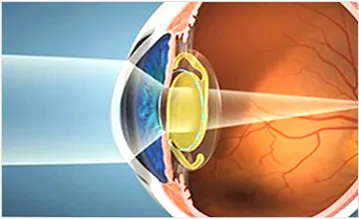
An intraocular lens (IOL) is a clear artificial lens implanted in the eye after the clouded natural lens
is removed during cataract surgery.
Because this lens determines how light is focused inside the eye, the type of intraocular lens directly
affects your vision quality and overall lifestyle after surgery.
In modern cataract surgery, IOL selection is no longer just a technical step—it is a key factor in
achieving optimal visual outcomes.
Clear and sharp vision
Excellent contrast sensitivity
Minimal glare and halos
Reduced dependence on glasses
More convenience in daily activities
Limitations
Glasses may still be needed for other distances
Possible glare or halos, especially at night
Recommended For
Patients prioritizing clarity and stability
Patients wanting less dependence on glasses
Adaptation
Fast and easy
Requires neuro-adaptation period
Ultimately, there is no single “best” intraocular lens for cataracts.
The most important factor is selecting the lens that best matches your eye condition, lifestyle, and
visual priorities.
For patients who value clarity, safety, and predictability, monofocal lenses remain one of the
most reliable choices among cataract lens types.
At EYE Plus Eye Clinic, we carefully evaluate each patient’s eye condition and lifestyle to select the
most suitable monofocal IOL option.
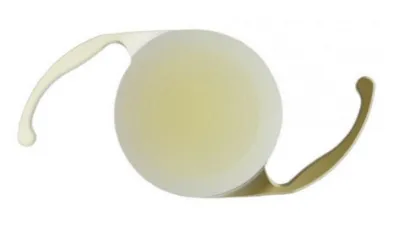
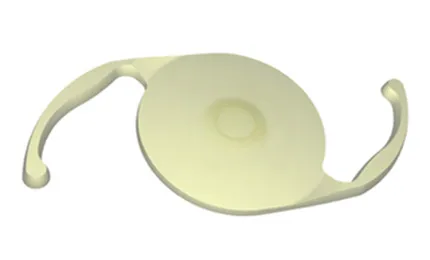
Alcon Clareon Monofocal
The Alcon Clareon Monofocal Lens is a premium monofocal intraocular lens designed to
deliver exceptional optical clarity and long-term stability.
Made from advanced acrylic material, this lens minimizes microscopic imperfections and helps
maintain clear, consistent vision over time.
Reduced glare and halos
Excellent contrast sensitivity
Stable and reliable night vision
Its refined lens edge design also helps reduce the risk of postoperative visual disturbances,
providing a more comfortable visual experience after cataract surgery.
Are sensitive to night driving or bright lights
Are concerned about glare or halos from multifocal lenses
Prefer maximum clarity and stability at one distance
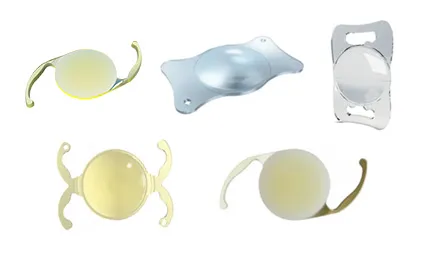
Types and Features of Monofocal Intraocular Lenses
Multifocal intraocular lenses are not simply lenses with multiple focal points.
They are premium IOLs designed to optimize vision based on each patient’s lifestyle and visual
priorities.
At EYE Plus Eye Clinic, we do not recommend a single lens for everyone.
Instead, we carefully consider factors such as night driving, smartphone use, astigmatism, and
intermediate vision needs, and offer a selection of advanced multifocal intraocular lens
options tailored to real-life usage.
Below are six premium IOL lenses commonly used in modern cataract surgery.
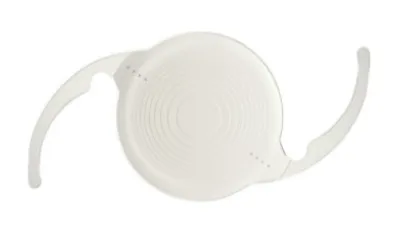
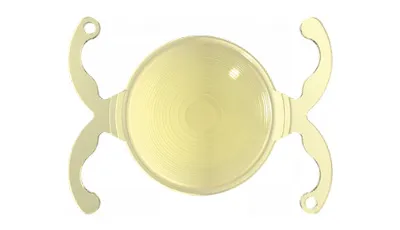
PanOptix Trifocal Intraocular Lens
The PanOptix trifocal intraocular lens is a premium multifocal IOL designed to
provide clear vision at near, intermediate, and distance ranges.
It offers smooth visual transitions between different distances, especially optimizing
intermediate vision (around 60cm)—ideal for smartphone and computer use.
Frequently use smartphones, tablets, or computers
Want balanced vision at all distances
Wish to reduce dependence on glasses in daily life
Symfony Extended Depth of Focus (EDOF) Intraocular Lens
The Symfony Extended Depth of Focus (EDOF) Intraocular Lens is designed to provide a
continuous range of vision from distance to intermediate.
Compared to traditional multifocal lenses, it produces less glare and halos, while
maintaining excellent contrast sensitivity and stable vision.
Drive frequently, especially at night
Are sensitive to light, glare, or halos
Prefer stable and natural vision quality
AT LISA tri Trifocal Intraocular Lens
The AT LISA tri trifocal intraocular lens, developed by ZEISS, delivers balanced
vision across near, intermediate, and distance ranges.
It incorporates advanced optical technology and offers excellent precision,
particularly beneficial for patients with astigmatism or high visual demands.
Have astigmatism along with cataracts
Require high visual accuracy for detailed tasks
Want balanced trifocal vision
FineVision Trifocal Intraocular Lens
The FineVision trifocal intraocular lens is one of the earliest trifocal IOLs, known
for its proven clinical stability and reliable outcomes.
It provides smooth and natural vision across all distances with a well-balanced optical
design.
Value long-term clinical reliability
Want predictable visual outcomes
Prefer a stable trifocal lens option
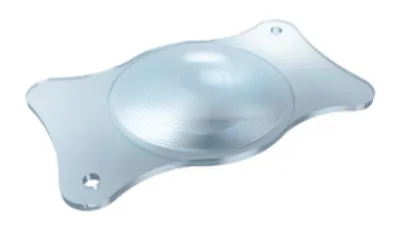
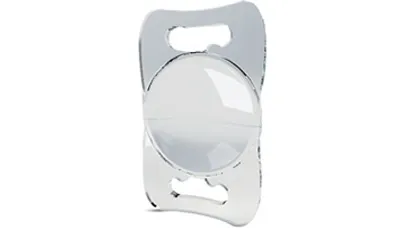
Lentis Comfort Intraocular Lens
The Lentis Comfort intraocular lens is designed to enhance intermediate and
distance vision, with fewer visual disturbances than traditional multifocal lenses.
Its unique optical structure reduces glare and halos, making it a good alternative
between monofocal and multifocal lenses.
Use computers or navigation systems frequently
Are concerned about glare or halos from multifocal lenses
Want a balance between visual quality and comfort
Vivity Extended Vision Intraocular Lens
The Alcon Vivity intraocular lens is a non-diffractive extended vision IOL that
provides clear distance and intermediate vision with minimal visual side effects.
Using advanced X-Wave technology, it reduces glare, halos, and light scatter, while
maintaining visual quality close to a monofocal lens.
Are concerned about night glare after cataract surgery
Drive frequently at night
Want high-quality vision with fewer visual disturbances
EYE Plus Precision Cataract Surgery Process
By breaking the lens into smaller segments in advance, the procedure reduces the need for excessive
ultrasound energy, helping to protect surrounding eye structures and reduce intraocular stress.
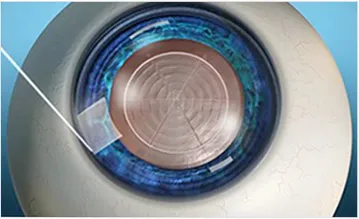
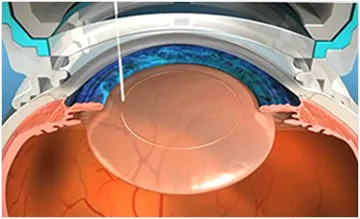
Step 1. Corneal Incision with Laser
A highly precise corneal incision is created using a
femtosecond laser.
Compared to manual techniques, laser technology allows surgeons to control the depth,
location, and angle of the incision with exceptional accuracy.
This helps minimize corneal tissue damage and supports faster recovery and improved surgical
stability, while also reducing the risk of post-operative astigmatism.
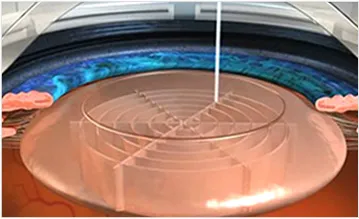
Step 2. Capsulotomy with Laser
The front part of the lens capsule is opened in a perfectly circular shape (capsulotomy)
using a laser.
This step is critical because it ensures that the intraocular lens (IOL) can be positioned
precisely in the center, leading to more predictable visual outcomes and long-term lens
stability.
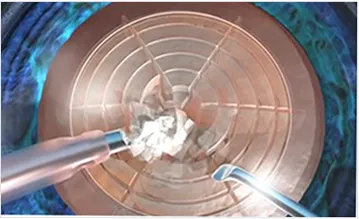
Step 3. Laser Fragmentation of the Cloudy Lens
The cloudy natural lens is pre-fragmented into small pieces using laser energy before
removal.
By breaking the lens into smaller segments in advance, the procedure reduces the need for
excessive ultrasound energy, helping to protect surrounding eye structures and reduce
intraocular stress.
Step 4. Removal of the Fragmented Lens
The pre-divided lens fragments are carefully removed using microsurgical instruments.
Because the lens has already been softened and divided, this step can be performed more
gently and efficiently, improving overall surgical safety and precision.
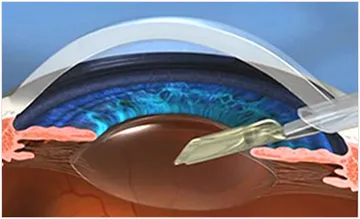
Step 5. Insertion of the Intraocular Lens
After the cloudy lens is removed, a customized intraocular lens (IOL) is inserted into the
eye.
The lens is placed in the exact pre-determined position, and its alignment plays a crucial
role in determining visual clarity, focus accuracy, and long-term stability after cataract
surgery.
Step 6. Final Check of Retinal Focus Alignment
In the final step, the surgeon carefully verifies that the lens position and visual focus
are accurately aligned with the retina.
This ensures optimal visual outcomes and allows for any fine adjustments if necessary,
completing the procedure with maximum precision and confidence in results.
Why Choose EYE Plus for Cataract Surgery?
At EYE Plus Eye Clinic, cataract surgery is not simply about removing a cloudy lens.
It is a comprehensive 6-step cataract surgery system that integrates precise diagnosis, personalized
lens selection, laser-assisted surgery, and post-operative care.
This approach is designed to improve not only surgical accuracy, but also real-life visual satisfaction
after surgery.
Correcting Presbyopia and Cataracts at the Same Time
Cataracts and presbyopia often develop together as part of the natural aging process.
At EYE Plus, both conditions can be addressed simultaneously through presbyopia cataract surgery
using carefully selected multifocal or customized intraocular lenses (IOLs).
By choosing the right lens based on each patient’s lifestyle and visual needs, it is possible to
achieve clear vision at multiple distances while reducing dependence on glasses.
Surgical Planning Based on Extensive Clinical Experience
Successful cataract surgery depends not only on technique, but also on accurate pre-surgical
planning.
With over 25 years of clinical experience, EYE Plus carefully evaluates each patient’s corneal
condition, retinal health, and lens selection to create a personalized surgical plan.
This experience helps minimize variables during surgery and ensures stable and predictable
outcomes.
Vision Design for Clear Sight at All Distances
Cataract surgery at EYE Plus goes beyond simply restoring vision.
The goal is to design vision that fits your lifestyle.
Through detailed diagnostic data, we analyze near, intermediate, and distance vision needs, and
select the most appropriate IOL to achieve a balanced visual outcome.
This customized approach is a key factor in improving post-surgery satisfaction.
Laser-Assisted Surgery for Faster Recovery
EYE Plus utilizes laser cataract surgery (femtosecond laser technology) to enhance precision.
Laser-assisted corneal incision and lens fragmentation reduce physical stress on the eye,
resulting in faster recovery, improved stability, and more precise outcomes compared to
conventional methods.
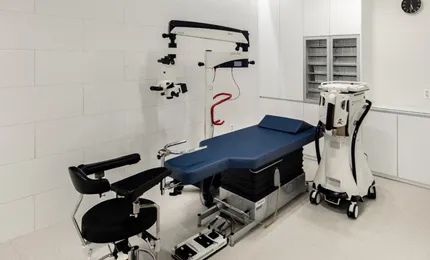
Comfortable Surgical Environment with Minimal Pain
All cataract surgeries are performed under local anesthesia in a carefully controlled
environment.
Advanced laser systems and refined surgical techniques help minimize unnecessary stimulation,
allowing patients to undergo safe and comfortable cataract surgery with minimal pain and
anxiety.
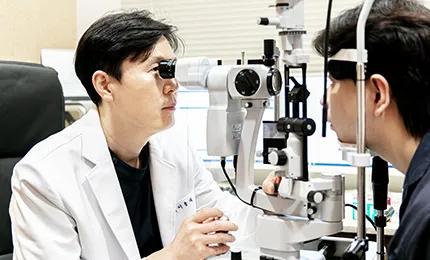
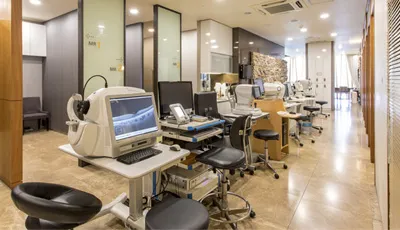
High Accuracy with Advanced Diagnostic Equipment
EYE Plus uses advanced diagnostic systems such as IOL Master 700 and AL-SCAN to achieve highly
accurate measurements of the eye.
These technologies enable precise calculation of intraocular lens power and positioning, helping
to reduce refractive errors and improve visual quality after surgery.
Combined with surgical expertise, this leads to optimal and reliable outcomes.
* A more accurate diagnosis can be found through a specialized examination. Please
feel free to proceed with the consultation or appointment through the button below.
Presbyopia and Cataracts Can Be Treated in One Surgery
Presbyopia and cataracts are different conditions, but in real clinical practice, they often occur
together.
With modern cataract surgery and multifocal lens surgery, both conditions can be corrected at the same
time.
By selecting the appropriate intraocular lens during cataract surgery, it is possible to improve not
only cloudy vision but also near, intermediate, and distance vision, allowing patients to restore
overall visual quality with a single procedure.
However, successful results depend not only on the surgery itself, but also on accurate diagnosis and
understanding of the current eye condition.
Whether the patient has presbyopia, cataracts, or both, identifying the exact condition and choosing the
right timing and treatment approach are essential for achieving high satisfaction after surgery.
👉 Curious about real stories of patients who regained clear vision from blurry and cloudy sight?
Check out real presbyopia and cataract surgery reviews at EYE Plus Eye Clinic.
Patient Stories - Read real experiences from our
patients.
FAQ About Intraocular Lens (IOL) Surgery
Intraocular lens surgery, commonly known as cataract surgery, is a procedure in which the
cloudy natural lens is removed and replaced with a clear artificial lens (IOL). This surgery
not only restores vision affected by cataracts but can also correct presbyopia and
refractive errors depending on the type of lens selected.
There is no single “best” lens for everyone. The choice between monofocal lenses and
multifocal intraocular lenses depends on your lifestyle, visual needs, and eye condition.
Monofocal lenses provide clear vision at one distance (usually far), while multifocal lenses
offer vision correction at multiple distances with reduced dependence on glasses. A detailed
eye examination is essential.
Both lenses have advantages. Monofocal lenses offer sharper image quality and fewer visual
side effects, while multifocal lenses provide convenience by reducing the need for glasses.
The better choice depends on whether you prioritize visual clarity or convenience.
Most patients notice improved vision within a few days after surgery. However, full recovery
and visual stabilization typically take 1 to 4 weeks, depending on individual healing.
Laser-assisted cataract surgery may support faster recovery.
After surgery, avoid rubbing your eyes, swimming or exposing your eyes to contaminated water
for 1–2 weeks, and heavy exercise. Follow prescribed eye drops carefully. Proper
post-operative care is essential for healing.
An intraocular lens (IOL) is designed to last a lifetime and does not need replacement. In
some cases, the capsule behind the lens may become cloudy over time, but this can be easily
treated with a simple laser procedure (YAG laser capsulotomy).
It depends on the lens type. With monofocal lenses, glasses may still be needed for near or
intermediate vision. Multifocal or premium IOLs can significantly reduce dependence on
glasses, but results vary by individual.
In most cases, cataract surgery is performed one eye at a time to ensure safety and monitor
recovery. The second eye is usually treated after the first eye has stabilized.
Korean National Health Insurance (NHIS) typically covers basic cataract surgery. However,
premium intraocular lenses may not be fully covered. For private insurance, medical
necessity must be documented.





* A more accurate diagnosis can be found through a specialized examination. Please feel free to proceed with the consultation or appointment through the button below.